How Pipe Insulation Helps Prevent Frozen and Burst Pipes
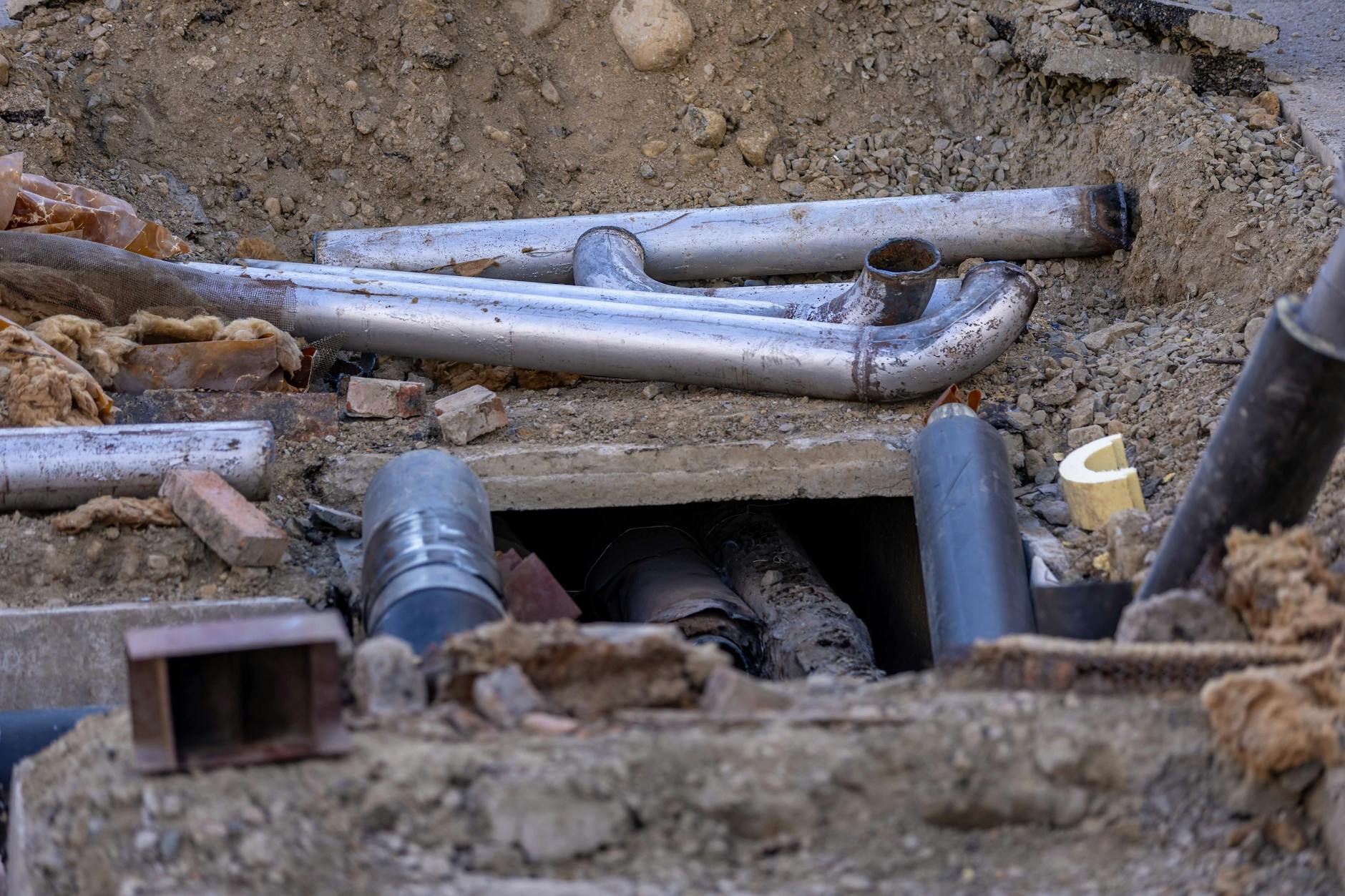
Pipe insulation prevents frozen and burst pipes by slowing the rate at which heat leaves the water inside the pipe, keeping it above the 32°F freezing point long enough for you to run a faucet, add heat, or wait out a cold snap. Without insulation, a ½-inch copper line in a 20°F crawlspace can drop below freezing in under two hours; with a proper R-3 sleeve, that same line holds above freezing for six to eight hours. This article covers how insulation works, what R-value you need, where to install it, what it costs in 2026, and when a pipe problem is beyond a foam sleeve.
How Pipe Insulation Prevents Freezing and Bursting
Pipe insulation is a thermal barrier that traps the heat your water already carries and reduces the speed of heat loss to cold surrounding air. Water freezes at 32°F, but the pipe doesn't burst at that moment - it bursts later, when the ice expands and pressure builds between the ice plug and the closed faucet. Insulation buys time on both ends of that timeline.
Three factors determine whether an insulated pipe survives a cold night:
- Outdoor temperature and wind. A 15°F night with 20 mph wind pulls heat off an exposed pipe far faster than a still 25°F night.
- Pipe location. Pipes in exterior walls, attics, crawlspaces, and garages see temperatures 10-25°F colder than the living space.
- Water movement. A dripping faucet keeps water moving and reduces the chance of a full freeze, but it does not replace insulation.
Insulation does not generate heat. If the water inside the pipe is already near freezing when it enters the insulated section, the sleeve only delays the inevitable. That is why we pair insulation with heat tape or a pipe heating cable on the most exposed runs. For homeowners who want the full picture on protecting a home before winter, our guide to Burst Pipe Repair across the United States covers the seasonal checklist we use on service calls.
What R-Value Do You Need for Pipe Insulation?
For most residential pipes in the United States, an R-value between R-2 and R-4 is enough to prevent freezing in a protected space, while pipes in unconditioned attics or crawlspaces should be wrapped to R-6 or higher. R-value measures resistance to heat flow - the higher the number, the slower the pipe loses heat.
Here is how common materials stack up:
- 1/2-inch foam sleeve (polyethylene): R-2 to R-3. Best for interior runs in heated basements.
- 1-inch foam sleeve: R-4 to R-5. Good for garage walls and rim joists.
- Fiberglass pipe wrap with foil jacket: R-3 to R-4 per inch of thickness. Common on older copper lines.
- Closed-cell rubber insulation: R-4 to R-6. Handles moisture and condensation better than open-cell foam.
- Reflective foil bubble wrap: R-1 to R-2. It helps in mild climates but is not enough for a hard freeze.
If you are insulating a pipe that already froze last winter, go one step up from the minimum. The cost difference between a ½-inch and 1-inch sleeve is roughly $0.30 per linear foot, and that extra half-inch is often the difference between a quiet night and a frozen pipe repair call at 2 a.m.
Which Pipes Need Insulation Most
Pipes most at risk of freezing are those running through unconditioned spaces: attics, crawlspaces, garages, exterior walls, and along the rim joist where the house meets the foundation. In our experience across the United States, the first three calls of a cold snap almost always come from one of those locations.
Priority order for insulating a typical single-family home:
- Exterior wall runs. Any supply line on an exterior wall in a climate that sees 20°F or below.
- Attic and crawlspace lines. These see the coldest air and often have no heat source nearby.
- Garage and unheated basement pipes. Especially where the pipe runs along an exterior door or vent.
- Outdoor hose bibs and irrigation lines. Insulate the interior section, not just the exterior faucet.
- Kitchen and bathroom sink lines on exterior walls. These are the most common freeze points in slab-on-grade homes.
If your home has copper or galvanized supply lines, they conduct cold faster than PEX or CPVC. Copper is also less forgiving when it freezes - a split in a copper line can release 4 to 8 gallons per minute. If you have already had a failure on a copper run, our team handles copper pipe burst repair and will insulate the repaired section before we leave.
Pipe Insulation Cost in 2026
Typical 2026 pricing for pipe insulation in the United States runs $1.50 to $4.00 per linear foot for materials and labor on accessible pipes, or $300 to $900 for a whole-house wrap on a 1,500-square-foot home. The wide range comes down to access - a pipe in an open basement is a 30-minute job; the same pipe behind drywall is a drywall repair project.
What drives the number:
- Material: $0.40-$1.20 per foot for foam sleeves, $1.50-$3.00 per foot for closed-cell rubber.
- Labor: $75-$150 per hour in most markets, with a one- to three-hour minimum.
- Access: Attic and crawlspace work adds 20-40% to the labor line.
- Heat tape: $2-$6 per foot installed where insulation alone is not enough.
Compare that to the average insurance claim for a burst pipe, which runs $5,000 to $15,000 once you include drywall, flooring, and mold remediation. Insulation is the cheapest line item in the entire plumbing budget. If you are already paying for a repair, ask the technician to insulate the exposed run while the wall is open - the incremental cost is usually under $100.
Common Mistakes That Leave Pipes Vulnerable
The most common insulation mistake is wrapping the pipe but leaving the joints, elbows, and fittings bare. Those are the exact spots where cold air reaches the metal and where ice forms first. A sleeve that stops two inches short of a 90-degree elbow is nearly useless at that elbow.
Other mistakes we see on service calls:
- Compressing the insulation. Squeezing a foam sleeve to make it fit reduces its R-value by 30-50%.
- Leaving a gap at the wall penetration. Cold air pours through the hole around the pipe. Seal it with expanding foam or caulk, then insulate.
- Insulating only the hot line. Both hot and cold supply lines freeze. The cold line is often the first to go.
- Using the wrong size sleeve. A ¾-inch sleeve on a ½-inch pipe leaves an air gap that defeats the purpose.
- Skipping the drip. Insulation plus a pencil-thin drip on the farthest fixture is the combination that gets most homes through a hard freeze.
If you are not sure whether a line is already damaged, look for a bulge, a damp spot on the insulation, or a faint hiss. A pinhole leak in a pressurized water pipe repair situation can spray inside a wall for days before you see water on the floor.
When to Call a Professional
Call a professional when a pipe has already frozen and will not thaw, when you see water staining on a ceiling or wall, or when the insulation work requires opening drywall or working in a crawlspace you cannot safely access. A frozen line that has been frozen for more than 24 hours is a burst waiting to happen - the ice may already have split the pipe.
Warning signs that mean stop and call:
- No water at one or more fixtures after a cold night.
- A hissing or rushing sound behind a wall.
- Water stains, bubbling paint, or a soft spot in drywall.
- A water meter that spins with every fixture off.
- Any pipe you cannot reach without cutting into a finished surface.
Our technicians at Burst Pipe Rescue find the freeze point, thaw it safely with controlled heat, and pressure-test the line before we insulate it. We do not leave a repaired pipe bare. If the damage is in a hard-to-reach spot, we can reroute the line to a heated space - a job we handle as pipe rerouting after burst damage.
Frequently Asked Questions
Does pipe insulation actually prevent pipes from freezing?
Yes, it slows heat loss enough to keep water above 32°F in most protected spaces. Insulation alone will not save a pipe in an unheated attic during a 0°F cold snap, but it buys six to eight hours of protection on a typical winter night.
What is the best insulation for water pipes?
Closed-cell rubber insulation with an R-value of R-4 to R-6 is the best all-around choice for residential pipes. It handles moisture, resists mold, and does not compress like open-cell foam. For interior pipes in heated space, a ½-inch polyethylene sleeve at R-2 is usually enough.
How much does it cost to insulate pipes in 2026?
Expect $1.50 to $4.00 per linear foot installed, or $300 to $900 for a whole-house wrap on an average home. Attic and crawlspace work runs 20-40% higher because of access. Heat tape, where needed, adds $2 to $6 per foot.
Can I insulate pipes myself?
You can insulate accessible pipes in a basement or garage with foam sleeves from any hardware store. Do not attempt it in a crawlspace with standing water, behind finished drywall, or on any line that has already frozen - those need a professional to inspect for damage first.
At what temperature should I worry about frozen pipes?
Start worrying when the outdoor temperature drops below 20°F for more than four hours, especially with wind. Pipes in exterior walls can freeze at 20°F even when the indoor thermostat reads 68°F. Below 10°F, assume every uninsulated exterior run is at risk.
Get Help with Burst Pipe Repair in the United States
If a pipe has already frozen, split, or started leaking, insulation is a repair job now - not a prevention job. Burst Pipe Rescue dispatches licensed plumbers across the United States for emergency thawing, emergency burst pipe repair, and same-day insulation of the repaired line.
Call (877) 223-3970 and we will find the freeze point, fix the pipe, and wrap it so it does not happen again this winter.
Frequently asked questions
Does pipe insulation actually prevent pipes from freezing?
Yes, it slows heat loss enough to keep water above 32°F in most protected spaces. Insulation alone will not save a pipe in an unheated attic during a 0°F cold snap, but it buys six to eight hours of protection on a typical winter night.
What is the best insulation for water pipes?
Closed-cell rubber insulation with an R-value of R-4 to R-6 is the best all-around choice for residential pipes. It handles moisture, resists mold, and does not compress like open-cell foam. For interior pipes in heated space, a ½-inch polyethylene sleeve at R-2 is usually enough.
How much does it cost to insulate pipes in 2026?
Expect $1.50 to $4.00 per linear foot installed, or $300 to $900 for a whole-house wrap on an average home. Attic and crawlspace work runs 20-40% higher because of access. Heat tape, where needed, adds $2 to $6 per foot.
Can I insulate pipes myself?
You can insulate accessible pipes in a basement or garage with foam sleeves from any hardware store. Do not attempt it in a crawlspace with standing water, behind finished drywall, or on any line that has already frozen - those need a professional to inspect for damage first.
At what temperature should I worry about frozen pipes?
Start worrying when the outdoor temperature drops below 20°F for more than four hours, especially with wind. Pipes in exterior walls can freeze at 20°F even when the indoor thermostat reads 68°F. Below 10°F, assume every uninsulated exterior run is at risk.