What to Do When a Water Pipe Bursts in Your Home: Emergency Steps
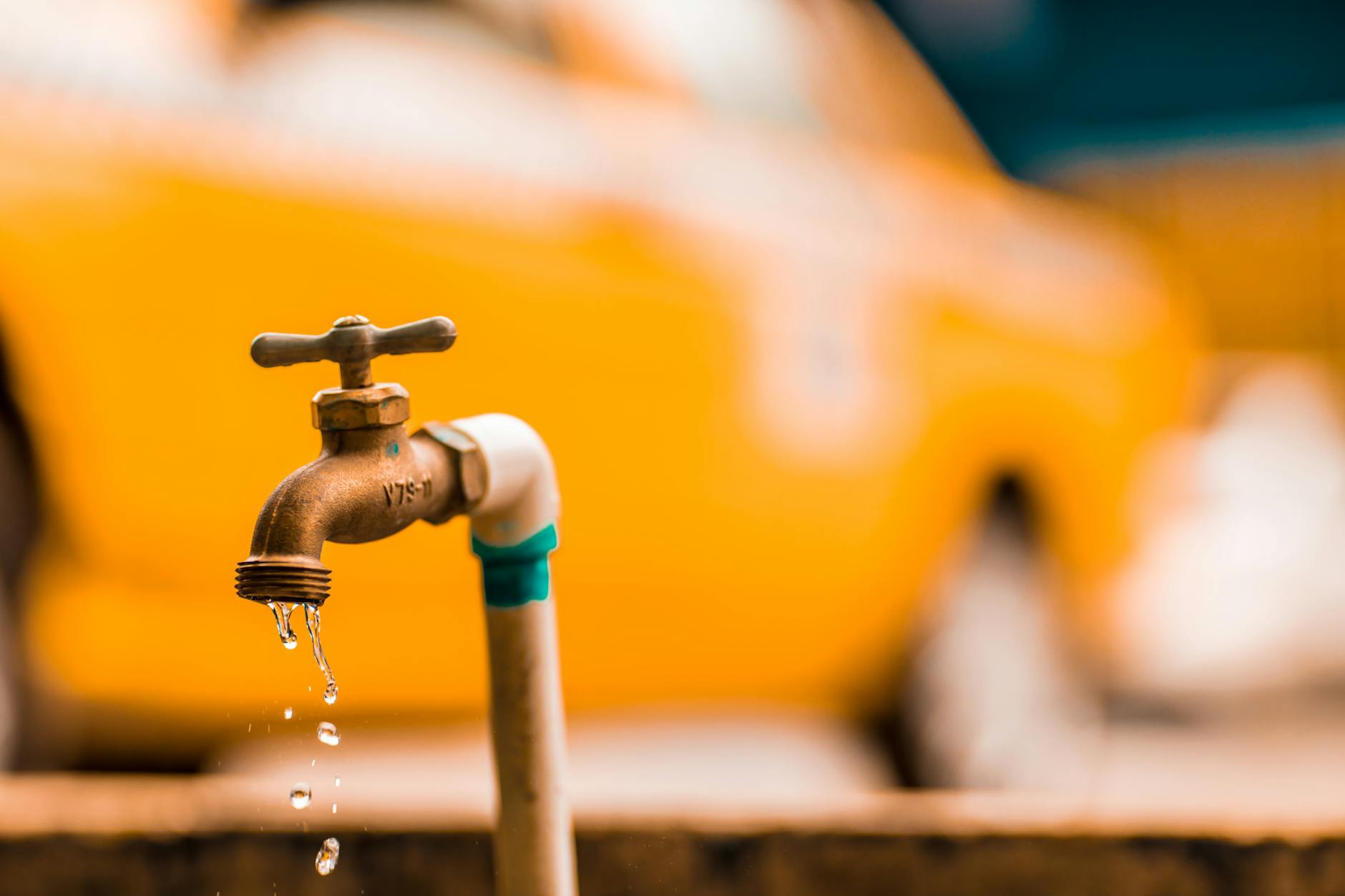
Shut off the main water valve immediately, then kill the power to any flooded area and open the lowest faucet in the house to drain the lines. Those three moves stop the flooding and prevent the two things that turn a $400 repair into a $9,000 insurance claim: structural water damage and electrocution risk.
A water pipe that bursts in your home can release 8 to 10 gallons per minute at standard residential pressure - roughly a bathtub full every 90 seconds. Burst pipe repair is the trade that stops that flow, finds the split, and restores the line. What follows is the exact sequence our technicians walk homeowners through on the phone before we arrive, plus the mistakes we see most often across the United States.
Shut Off the Water at the Main Valve First
Find your main shut-off valve and turn it clockwise until it stops. In most single-family homes built after 1980, that valve sits near the water meter, in the basement, or in a utility closet on the ground floor. In warmer states like Texas and Arizona, it's often outside in a green rectangular box near the curb - that's the municipal side, and it needs a meter key.
If you can't find the interior valve, go to the curb box. Lift the lid, reach down to the valve handle, and turn it clockwise with a crescent wrench or a dedicated meter key. It takes 10 to 15 full turns on older gate valves.
Once the water is off, the flooding stops growing. That's the single most important thing you'll do in the next hour.
If You Can't Reach the Main Valve
Close the fixture supply valve under the nearest sink or toilet. Those little oval handles shut off water to that one fixture, not the whole house, but they buy you time. If the burst is on a hot water line, shut off the valve on top of the water heater too - it's usually a brass handle on the cold inlet pipe.
Kill the Power and Open the Lowest Faucets
Water and live electricity in the same room is the scenario that kills people. If the burst is anywhere near outlets, a breaker panel, or a ceiling light, go to your main electrical panel and flip the main breaker to OFF before you step into standing water.
Then open every faucet in the house, starting with the lowest one. In a two-story home, that's usually a basement utility sink or a hose bib. Open the highest faucet too - the air entering at the top helps the water drain out the bottom. You'll hear gurgling and sputtering. That's the system emptying.
Flush every toilet once. That clears the tanks and the bowls. Then, if you have a gas water heater, shut off the gas supply valve at the tank.
- Main breaker to OFF.
- Lowest faucet fully open.
- Highest faucet fully open.
- Flush all toilets.
- Shut off the water heater gas or power.
This whole sequence takes about four minutes once you know where everything is. That's why we tell every homeowner to walk their shut-off points before they ever need them.
Why Pipes Burst in the First Place
Water freezing inside a pipe expands about 9 percent in volume, and that expansion is what splits copper, PEX, and CPVC. The split usually happens on the unheated side of the pipe - the side facing an exterior wall or an uninsulated attic. The leak often doesn't show up until the ice thaws and pressure returns.
That's why we get the most calls in the 24 to 48 hours after the first hard freeze of the season, and again in spring when the ground shifts. In the northern half of the country, frozen pipe repair calls spike between late November and early March. In the South, a single hard freeze in January can burst hundreds of pipes in a single neighborhood because the plumbing there often runs through uninsulated exterior walls.
Other causes we see year-round:
- Pressure spikes above 80 PSI, usually from a failing pressure-reducing valve.
- Corrosion in galvanized steel lines older than 40 years.
- Tree roots crushing underground lines, especially clay and cast-iron.
- Faulty washing machine hoses - the single most common interior flood source we see.
If your home was built before 1975 and still has original galvanized pipe, the odds of a burst in the next five years are high enough that we recommend a proactive replacement plan rather than waiting for the failure.
What Does a Burst Pipe Look Like Inside a Wall?
A burst pipe inside a wall usually shows up as a bulging paint bubble, a brown water stain spreading across drywall, or a soft spot near a baseboard. You may hear a hiss or a drip behind the drywall before you see anything.
Don't poke the bubble. Don't cut the drywall open until the water is off and the area is dry. Poking it releases the trapped water and turns a small repair into a full wall replacement.
On slab-on-grade homes - common across the Sun Belt - a burst under the slab shows up as a hot spot on the floor, a spike in the water bill, or the sound of running water when every fixture is off. That's a job for slab pipe burst repair, and it needs acoustic listening equipment and thermal imaging to pinpoint the break before anyone cuts concrete.
Ceiling leaks almost always trace back to a pipe in the floor above. Wall leaks in second-floor bathrooms are usually supply lines behind the tile. We see all three every week, and the diagnostic approach is different for each.
Common Mistakes That Turn a $400 Repair Into a $9,000 One
The most expensive mistake homeowners make is waiting. A slow drip behind a wall for 48 hours can saturate insulation, warp subfloor, and grow mold that costs $4,000 to $12,000 to remediate. The pipe repair itself is the cheap part.
Other mistakes we see constantly:
- Using a shop vac on standing water near outlets. Kill the breaker first. Every time.
- Turning the water back on to "check." If the pipe is still split, you've just re-flooded the room.
- Running the HVAC to dry the room. It circulates moisture into the ducts and the rest of the house.
- Throwing away the failed pipe section. Your insurance adjuster may want it as evidence.
- Hiring the first person who answers the phone. Burst pipe repair is a licensed trade. Ask for the license number before anyone touches a wrench.
One more: don't try to thaw a frozen pipe with an open flame. We've seen three house fires started that way in the last decade. Use a hair dryer on low, a heat lamp, or a towel soaked in warm water.
When to Call a Professional
Call a licensed plumber the moment the water is off and the power is safe. Some jobs are genuinely DIY - a dripping faucet, a running toilet. A burst pipe is not one of them.
We handle the full range: emergency burst pipe repair when water is actively flowing, frozen pipe repair when a line is still iced but hasn't split, and burst pipe replacement when the section is too corroded to patch. Our technicians carry copper, PEX, and CPVC stock on every truck, so most repairs are done in a single visit.
If your home has original galvanized lines, we'll often recommend pipe rerouting after burst damage rather than patching a 50-year-old pipe that's going to fail again in two years. That's a conversation we have on-site, with photos and a written price, before any work starts.
Typical 2026 pricing for a residential burst pipe repair runs $350 to $1,200 for an accessible line, and $1,500 to $4,500 when the pipe is inside a wall, under a slab, or in a ceiling cavity. Emergency after-hours calls add $150 to $400. If water damage remediation is needed, that's a separate trade and typically runs $1,200 to $6,000 depending on square footage.
We're a state-licensed plumbing contractor, fully insured, and we work directly with most major homeowner insurance carriers on documentation. If you're not sure whether your situation is an emergency, call us and describe what you see. We'll tell you straight.
Frequently Asked Questions
How long does it take to repair a burst pipe?
An accessible burst pipe takes 1 to 3 hours to repair. A pipe inside a wall, ceiling, or under a slab takes 4 to 8 hours because we have to open the surface, repair the line, and prep for patching. Emergency calls are typically on-site within 60 to 90 minutes.
Does homeowners insurance cover a burst pipe?
Yes, in most cases. Standard HO-3 policies cover sudden and accidental water damage from a burst pipe, including the repair and the resulting damage. They typically do not cover damage from long-term leaks or poor maintenance. Document everything with photos before cleanup.
Can I just patch a burst pipe with tape or a clamp?
A rubber patch and hose clamp can stop a pinhole leak for a few hours, but it is not a permanent repair. A split pipe under full pressure will fail again - often within days. Use a clamp only to get through the night, then call a plumber the next morning.
What is the first thing I should do when a pipe bursts?
Shut off the main water valve. That stops the flooding. Then kill power to any wet area, open the lowest faucet to drain the lines, and call a licensed plumber. Do not turn the water back on to check the leak.
How much water does a burst pipe release?
A half-inch supply line at 60 PSI releases roughly 8 to 10 gallons per minute. In 30 minutes, that's 240 to 300 gallons - enough to soak through drywall, subfloor, and into the ceiling below. Every minute matters.
Get Help with Burst Pipe Repair in the United States
If water is still moving, call us now. We dispatch licensed technicians across the United States, 24 hours a day, and we'll walk you through shutting the system down while the truck is on the way.
Call Burst Pipe Rescue at (877) 223-3970. One call, one crew, and we don't leave until the line holds pressure.
Frequently asked questions
How long does it take to repair a burst pipe?
An accessible burst pipe takes 1 to 3 hours to repair. A pipe inside a wall, ceiling, or under a slab takes 4 to 8 hours because we have to open the surface, repair the line, and prep for patching. Emergency calls are typically on-site within 60 to 90 minutes.
Does homeowners insurance cover a burst pipe?
Yes, in most cases. Standard HO-3 policies cover sudden and accidental water damage from a burst pipe, including the repair and the resulting damage. They typically do not cover damage from long-term leaks or poor maintenance. Document everything with photos before cleanup.
Can I just patch a burst pipe with tape or a clamp?
A rubber patch and hose clamp can stop a pinhole leak for a few hours, but it is not a permanent repair. A split pipe under full pressure will fail again - often within days. Use a clamp only to get through the night, then call a plumber the next morning.
What is the first thing I should do when a pipe bursts?
Shut off the main water valve. That stops the flooding. Then kill power to any wet area, open the lowest faucet to drain the lines, and call a licensed plumber. Do not turn the water back on to check the leak.
How much water does a burst pipe release?
A half-inch supply line at 60 PSI releases roughly 8 to 10 gallons per minute. In 30 minutes, that's 240 to 300 gallons - enough to soak through drywall, subfloor, and into the ceiling below. Every minute matters.